Showing posts sorted by relevance for query n_d. Sort by date Show all posts

Wednesday, 31 January 2007

Get your Thyroid in Gear

Your thyroid is a tiny butterfly-shaped gland in the front of your neck which regulates your metabolism, playing a major role in energy and health levels from day to day.

The thyroid produces hormones which convert food into energy, helping your body burn calories efficiently. If your thyroid is functioning badly, effects are quickly felt. Women with healthy thyroids numerous symptoms are experienced, including weight loss or gain, mood swings, and changes in bowel habits.

How Well Is Your Thyroid Working?
It's always a good idea to have your doctor regularly check that your thyroid is functioning correctly, and your hormone levels are within healthy limits. But while you wait for answers, the following short quiz can help you determine the efficiency of your thyroid:

  • Is your heartbeat slower or more rapid than usual?
  • Are you intolerant of heat or cold?
  • Are you irritable/ fatigued/depressed?
  • Do you have mood swings?
  • Have you gained or lost a significant amount of weight in a short period of time?
  • Have you noticed a change in the flow of your menstrual periods?
  • Have your bowel habits changed?
  • Are you experiencing constipation or loose bowel movements?
  • Is your hair dry or coarse, or do you have significant hair loss?
  • Do you have swelling or a lump on the front side of the base of your neck?

If you answered “Yes” of five or more of these questions, talk to your doctor. He or she may conduct some tests, and can tell you what you can do to support the health and proper functioning of your thyroid gland.

Some women will need thyroid hormone replacement therapy. For this, I particularly like Armour Thyroid, a prescription form of natural thyroid replacement therapy, available in the UK and France.

But all women, regardless of their age, can benefit from the nutritional support of their thyroid. Fortunately, there are safe, natural supplements available.

Boost Your Thyroid Naturally
Iodine and tyrosine play a crucial role in thyroid support. They work synergistically to produce hormones and balance thyroid production, so ensure you are taking in enough of these nutrients. Some wonderful food sources of iodine include garlic, shellfish and kelp. An average woman needs 150mcg of iodine a day to support her thyroid, but since most of us take in closer to 600mcg through our diet, it’s unlikely we’ll need to supplement this nutrient.

Tyrosine, an amino acid produced in your body from another amino acid called phenylalanine, helps support your metabolism and stamina. Tyrosine is abundant in fish, soybeans, poultry, almonds, seeds, and peas. An easy way to increase your levels is to supplement 500–2,000mg of tyrosine per day with a protein meal. (If your blood pressure is not in the normal range, begin with the lower dosage, and monitor your blood pressure levels regularly.) Also, to ensure your thyroid function is at its peak, be sure you are also getting the following in your nutrient programme daily:

  • 200mcg of selenium
  • 15mg of zinc
  • 600-2000mg of Ester C
  • 600IU of vitamin E
  • 100mg of vitamin B6
  • 400mcg of folic acid, and
  • 100mcg of vitamin B12

Keyword=n_d

Monday, 23 July 2007

Are you drinking enough water?

Water gatheringAs reported on Sky News, "More than a billion people, a sixth of the world's population, do not have access to clean drinking water and in Africa the average person spends five hours a day collecting water".

But although you have 24/7 access to all the water you need and want, are YOU drinking enough?

  • Many people believe they don’t need water because they don’t get thirsty, but this is not a safe way to gauge your levels of hydration. Thirst is slow to develop and by the time you get to feel thirsty, you are already dehydrated
  • Every part of your body needs water to function properly
  • Dehydration is high on the list of reasons for kidney stones and disease
  • Hunger pangs are often just a cry for water – try it some time….drink a glass of water if you think you are hungry
  • Coffee and tea don’t count – they both dehydrate you, due to caffeine
  • Tap or bottled? There is no need to buy bottled water but it does make a good alternative to alcohol, which also dehydrates you
  • How much? A good rule of thumb is 1.5 to 2.5 litres per day, depending on temperatures and exercise
  • Pregnancy is another reason to up your water consumption
  • Fruit juice is not a good substitute for water and can cause tooth decay
  • Drinking water does NOT cause cramps during exercise, unless taken in excessive quantities
  • Make drinking water a family habit
  • Be very grateful for the safe drinking water that is only a tap turn away
  • Support a charity that strives to provide safe drinking water in developing countries

Image Source=Georgia Tech Research News
Keyword=n_d

Monday, 9 July 2007

Finding the balance between Omega-6 and Omega-3

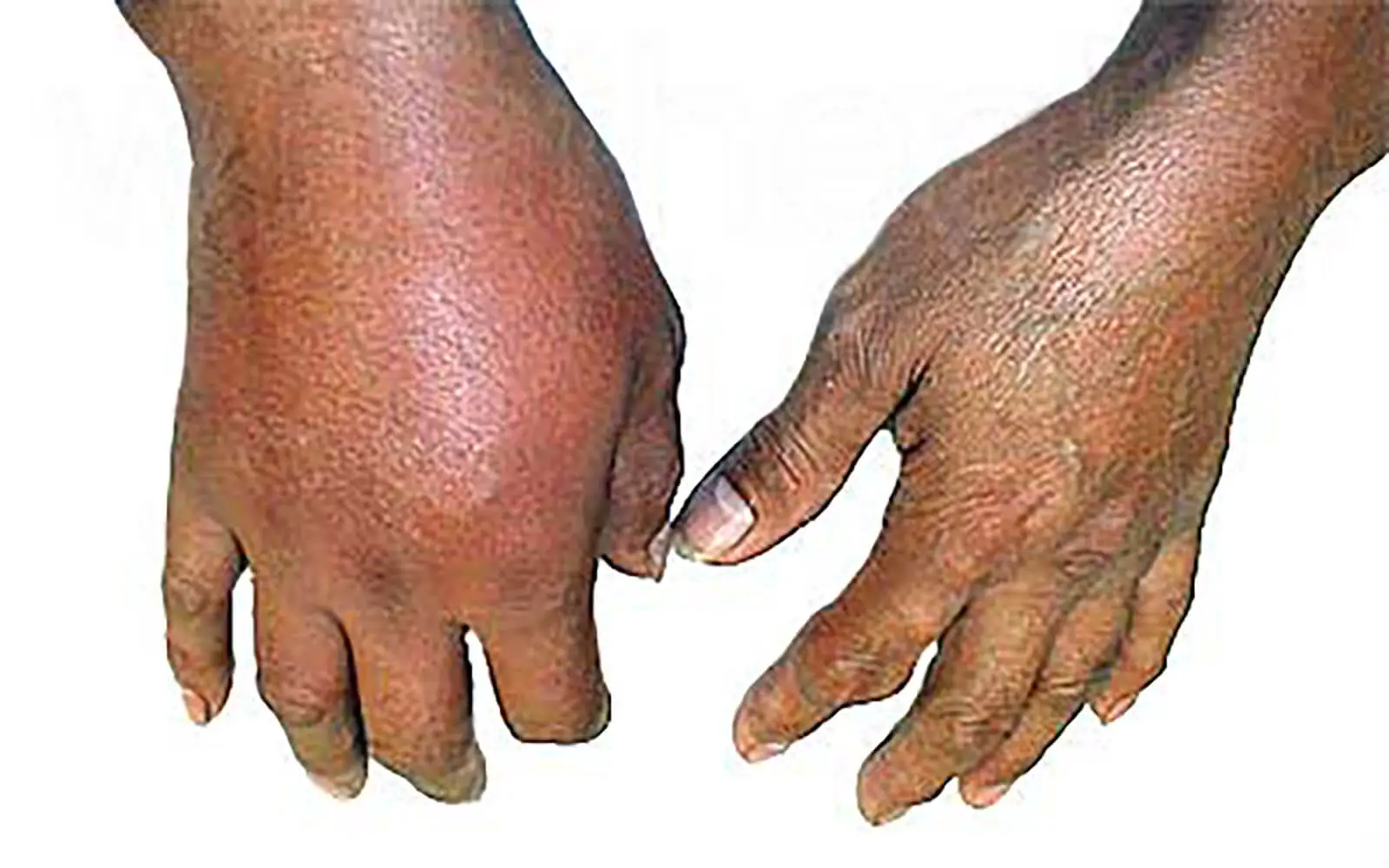
Hands with gout symptomsThe balance of omega-6 to omega-3 oils is critical to proper prostaglandin metabolism. Prostaglandins have many functions, such as bronco dilation, inflammatory reactions and the regulation of cell propagation. The optimal ration of omega-6 to omega-3 fatty acids is 4:1, or four times the amount of omega-6 fatty acids as omega-3 fatty acids. However, in our modern diet, we are currently consuming a ratio greater than 20:1

There are many hidden sources of omega-6 oils in our diets and the elimination of these poor quality oils from our diets while providing good quality omega-3 in the form of Pharmaceutical Grade fish oil will help to regulate the following symptoms:

o Inflammation, pain and swelling
o Blood pressure
o Heart function
o Gastrointestinal function and secretions
o Kidney function and fluid balance
o Blood clotting and platelet aggregation
o Allergic response
o Nerve transmission
o Steroid production and hormone synthesis

Read more on Doctor Murray

Image source=What Health
Keyword=n_d


Thursday, 7 June 2007

Hope for allergy sufferers?

Allergy vaccine, injectedAllergy vaccine hopes get boost, so says Richard Black, BBC science correspondence

Medical researchers have obtained promising results from a trial of a genetically-engineered allergy vaccine.

During the trial, conducted in Austria, Sweden and France, the vaccine significantly reduced peoples' allergic response to pollen.

The team says it is already developing further GM vaccines to combat other allergies”

Some estimates reveal that a quarter of the world’s population could be allergic to something; so many unhappy sniffling, sneezing and coughing people around the world will welcome this news

However, further into the article, Black writes “But although these can work well, they can also produce major side-effects.

As with many other pharmaceutical drugs, somehow the cause of the allergies has been quietly by-passed, and all this new genetically modified drug can ever do is mask the symptoms so that we feel better - whilst our body gets sicker with side effects, more likely on top of other drugs for other conditions which carry more side-effects. And so the debilitation goes on, with no real hope of ever being fully well again

Why not get to the cause instead?

Allergies are frequently caused by food sensitivities, and while we are not aware of their causing the problem, allergens such as pollen and house mites will tip the scales and produce the attacks that leave us utterly miserable:

  • Whilst asthma has long been classed as an allergy, it is in fact rooted in a food sensitivity, most often dairy or wheat or sugar
  • Dry eyes, not always connected to allergies, are a symptom of an Omega-3 deficiency
  • Sinus problems can be a thing of the past if you give up dairy products

Ten suggestions to rid you of allergies forever:

  1. Speak to a nutritionally trained health practitioner
  2. Food sensitivity tests are readily available to find your specific sensitivity
  3. Or you can eliminate trigger foods from your diet for one month at a time – i.e. no dairy foods for one month, then no wheat, no sugar, etc
  4. Once you have found your sensitivity, stay off that food (or foods) for a minimum of six months, and then SLOWLY re-introduce the offending food.
  5. If you reintroduce too quickly your sensitivity could come back with a vengeance!
  6. Supplement with pharmaceutical grade Omega-3 Fish Oil (deficiencies of this essential fat can exacerbate food sensitivities)
  7. Increase fresh fruit and vegetables, with lots of raw and juiced foods
  8. Eliminate bad fats such as margarine, sunflower and cheap olive oils
  9. Eliminate processed foods from your diet
  10. Get good exercise at least three times a week

Image source=bbc
Keyword=n_d


Sunday, 16 September 2007

Omega-3 Fats Prevent Breast Cancer


• Animal experiments have shown that a diet rich in linoleic acid (omega-6 fatty acids) promotes the growth of malignant breast cancer tumors

• However, the addition of omega-3 polyunsaturated fatty acids to the diet can block this effect

• Epidemiological studies have shown that countries with a high intake of omega-3 acids from fish have lower breast cancer rates. Researchers evaluated over 250 patients with breast cancer and analyzed their fat relative to 90 women without breast cancer
Int J Cancer March 2002 1;98(1):78-83

While we now know that EFA’s (Essential Fatty Acids) are exactly that – essential to the existence of a healthy body, have you noticed the confusion about how much of each we should be taking? Why do some say ‘we must have all our omegas’, while others say ‘omega-3 is the only one’? Omega-6 is abundant in our diets, its everywhere we look! In nearly all processed and packaged foods under the wording ‘vegetable oil’, it dominates our diets in the form of sunflower, canola (real name ‘rape seed oil’, no wonder they changed its name!) oil and low grade olive oils such as pomace oil, a very cheap oil which is used to fry chips and fast foods, amongst others.

The important point is to keep our EFA intake balanced. Because we have so much omega-6 and 9 (olive oil, seeds, nuts, etc) without even trying, we need to increase omega-3 to get the ratio right. In early humans the ratio was about 1:1 between omega-3 and 6. Currently most Americans eat a dietary ratio that falls between 20:1 and 50:1. For most of us to achieve this we must reduce omega-6 and increase omega-3 on a daily basis. Eating more fish is the natural way to do this, but we must be aware of heavy metal poisoning, so a pharmaceutical grade omega-3 fish oil supplement is free from possible toxic poisoning from deep sea fish and will give you adequate supplies of healthy omega-3

keyword = n_d


Tuesday, 26 June 2007

Echinacea 'Can prevent a cold'

EchinaceaWe often read of the good results people have had by using Echinacea when they first feel a cold coming on and the press has also caught on to the idea.

There certainly there is plenty of truth in the claim that it can prevent a cold as Echinacea has long been hailed as an immune booster, especially in people who have low immune function. As we all know, when the cold virus is around some people are highly susceptible to its attack, whilst others seem to sail through with no effects at all. These are the people who have well-functioning immune systems that can fight off the effects of the virus.

Professor Ron Cutler of the University of East London says “Echinacea may reduce the duration of illness and decreases the severity of cough, headache and nasal congestion”

This is all encouraging news. However, Echinacea has its down sides too, and one must be aware of these before dashing out and buying a years’ supply in the hopes of preventing colds. Firstly, taking this herb on a regular basis is not recommended as the benefits may only be effective for a week or two. Instead, stop taking Echinacea for a week or two before taking it again, in order to benefit fully from it’s immune boosting effects.

More importantly, there is concern over the use of Echinacea in patients with HIV and AIDS. Although AIDS is associated with wide-spread depression of the immune system and Echinacea can dramatically improve immune function in people with low immune status, there is concern, because Echinacea can increase levels of tumour-necrosis-factor (TNF). This compound can stimulate replication of the HIV as well. At this time it appears wise for HIV-infected individuals to avoid Echinacea until there is more reliable research.

Image source=TeaLand.com
Keyword=n_d


Wednesday, 17 October 2007

Chromium and Diabetes

EggsIn the metabolism of glucose (or GTF – glucose tolerance factor), chromium is required for energy. Chromium is also vital in the synthesis of cholesterol, fats and proteins – further important factors concerning diabetes

Chromium is an essential mineral that maintains stable blood sugar levels through proper insulin utilization and is helpful for diabetics as well as hypoglycemics. In fact, both diabetics and hypoglycemics are deficient in chromium and only 10% of Americans have an adequate amount of chromium in their diets, for the following reasons:

• Not enough foods containing chromium are consumed
• Chromium is lost during food processing
• People don’t like foods containing chromium
• High quantities of sugar in the diet cause chromium loss
• Chromium in many foods is not easily absorbed
• Chromium levels start to decrease in the early 40’s

Supplemental chromium as chromium picolinate enables chromium to enter the cells of the body and so help insulin do its job more effectively. If you are a diabetic, be sure to advise your health care professional should you begin to supplement with chromium, as it will have a positive effect on your blood sugar levels and you may then need to decrease your medication

Find chromium in these foods:

Beer (hooray!), brewer’s yeast, brown rice, cheese, meat, whole grains, dried beans, calf liver, chicken, corn, dairy products, dried liver, eggs, mushrooms and potatoes

Image source=Osage
Keyword=n_d

Saturday, 15 September 2007

Sweet dangers of Aspartame

Dangers of AspartameAspartame dangers have been widely published for some time now. It is available in fizzy drinks, many sweeteners and sugar substitutes and is not the harmless sweetener we were led to believe – but a dangerous and toxic chemical we should all avoid and is available in over 90 countries around the world. The only sugar substitutes which are safe at this time are Xylitol and Stevia.

Aspartame is in most processed foods, so unless you are really vigilant, you will unwittingly consume aspartame. Nancy Markle, speaking for several days at the World Environment Conference on Aspartame, noted the epidemic of multiple sclerosis and systemic lupus across the United States was to a large degree due to the ingestion of this toxic substance.

When the temperature of aspartame exceeds 86°F (in cooked food), the wood alcohol converts to formaldehyde (used in embalming procedures to preserve tissues, and a potent carcinogen) and then to formic acid – the poison found in the sting of the fire ant.

Methanol toxicity from aspartame mimics multiple sclerosis, and once the sufferers are taken off the artificial sweetener, their symptoms disappear, their vision returns and tinnitus (ringing in the ears) dissipates. Often, people with symptoms of Fibromyalgia instead have “aspartame disease”.

Aspartame converts to formaldehyde in the retina of the eye and formaldehyde is grouped in the same class of drugs as cyanide and arsenic – both deadly poisons. Aspartame just takes longer to kill, and is causing many neurological problems in people who wouldn’t suspect it’s being the cause. It causes alterations in the brain’s chemistry, seizures and changes the dopamine level in the brain. Just imagine what this must do to a Parkinson’s sufferer?
There is no good reason to take aspartame – it is NOT A DIET PRODUCT. It makes you crave carbohydrates and will make you FAT. Imagine that – a diet product, which encourages weight gain?

Aspartame is especially deadly for diabetics. It can cause the blood sugar levels to go out of control, causing coma, and some people have died as a result.

Dr Russell Blaylock has written a book entitled “Excitotoxins: The Taste that Kills” outlining the dangers of aspartame. According to the Conference of the American College of Physicians:
“We are talking about a plague of neurological diseases caused by this deadly poison.” Aspartame.

There are many case histories, books, papers and articles on this subject. Educate yourself and don’t be fooled by clever advertising.

Further reading on the dangers of Aspartame

Image Source=Doc Workers.com
Keyword=n_d

Sunday, 14 October 2007

Problems with digestion?

IBS AwarenessMany digestive conditions are labeled IBS, but confusion lurks here, as more serious conditions such as Crohn's Disease and Ulcerative Colitis can be the true culprit, both of which can lead to bowel cancer.

These conditions can be caused from food intolerances or it can be an auto-immune disease – the researchers are not quite sure which. Regular medicine holds no hope and treats with symptom-suppressors like cortisone, which do not cure it, instead causing horrendous side-effects and discomfort for the sufferer

• Many drugs list constipation as a side effect including iron supplements
• A high fat and sugar diet will feed unfriendly bacteria very nicely, as do alcohol, dairy products, margarine, processed vegetable oils, wheat and many grains
• If you habitually consume coffee, tea, dairy products, wheat, chocolate and red meat, you are in line for digestive problems.

Read our 10 Tips for a Healthy Bowel

keyword=n_d
Image Source=
International Scler0derma Network

Saturday, 8 September 2007

7 steps to naturally health bones

Pepper helps healthy bones1. Maintain healthy levels of pharmaceutical grade omega-3 fish oil through supplementation. We have ample supplies of omega-6 in our diets and are all omega-3 deficient

2. Eat a healthy diet of fresh organic vegetables, especially onions and garlic as they appear to slow bone loss, fruit, legumes, lentils, seeds, nuts, lamb, fish, poultry and eggs and supplement according to your needs established by a recongnised nutritionally trained health practitioner

3. Green vegetables such as broccoli, kale, beans, spinach and beet tops are particularly beneficial

4. Consider supplementing with vitamin K2 if you are not getting enough from food alone. Vitamin K serves as the biological "glue" that helps plug the calcium into the bone matrix

5. Get enough vitamin D, ideally from good amounts of sun exposure. Vitamin D builds your bone density by helping your body absorb calcium

6. Increase your Vit C supplementation to a minimum of 1 – 2 g per day, preferably in the form of Ester C

7. Exercise. Studies show that exercise is as important to your bone as eating a calcium-rich diet

View the Dietary Supplement Fact Sheet

Keyword = n_d

Image Source = Office of Dietary Supplements

Monday, 25 June 2007

Omega-3 fish oil supplements and toxins

Fish farmThere’s no doubt that fish and fish oil are healthy foods. Omega-3 is an essential nutrient that is only available to us from foods we eat. Even mainstream medicine now prescribes Omega-3 supplementation for atherosclerosis patients and the exceptional results experienced by people suffering from Bi-polar and AD(H)D disorders is legion.

So why bring in toxins? Simply because it’s a known fact that fish is contaminated with heavy metals and toxic chemicals, especially mercury. The simple conclusion is that the oil in the fish must therefore also be toxic to varying degrees and it is essential that you only buy ‘Pharmaceutical Grade’ fish oil supplements.

Some toxins found in fish

  • Mercury: In America one-in-six children born every year have been exposed to mercury levels so high that they are potentially at risk for learning disabilities and motor skill impairment and short-term memory loss. Mercury has been ‘on the market’ in skin creams and dental fillings for generations. It can cause permanent damage to the nervous system
  • PCBs are toxic chemicals that cause cancer, liver damage, reproductive impairments, numbness of limbs and immune system damage, amongst other defects
  • Dioxins and Furans are highly carcinogenic environmental man-made contaminants formed as a result of burning fossil fuels. Dioxins are the most toxic chemicals made by man
There are many fish oil products on the market – don’t be fooled into thinking they are all good for you – far from it. ONLY Pharmaceutical Grade, is healthy fish oil.

Oxidized Fish Oil

Most fish oils used in fish oil supplements are transported long distances in tankers and …...... fish oil is highly susceptible to rancidity....meaning it goes bad quickly because it's fragile.
In short, freshness for most fish oils is an issue -- which is just another way of saying that the fish oil can become oxidized and goes bad. To know the health of your fish oil, open a capsule – if there is a strong, bad smell, it’s oxidized!

Pharmaceutical Grade simplified

Simply put…Pharmaceutical Grade Omega-3 is distilled under pharmaceutical conditions so that the toxins are removed, providing you with a ‘pure’ product. This company has had their omega-3 fish oil tested by an independent laboratory.

Further reading on Omega-3: Ascenta Health

Image source= US Aid
Keyword=n_d


Monday, 3 September 2007

Yo-yo diet warning to mothers

Pregnant MotherMothers who diet back their figures after giving birth and put on excess weight during pregnancies are putting their own and their baby’s health at risk, as reported by the BBC.

Fluctuating weight ups the risk of dangerously high blood pressure and diabetes in the mother as well as risking stillbirth, Dublin-based specialists in the British Medical Journal suggest, and reported by the University of Toronto.

One Swedish study involving 207,534 women found that weight gain between pregnancies was strongly associated with major complications for the woman and baby in the months preceding, and just after childbirth.

Another study found that women whose weight fell significantly between pregnancies had a higher risk of giving birth prematurely than women whose weight remained stable.

‘There is a known association between overweight and obese parents and the likelihood of a child being overweight themselves’ says Tam Fry of the National Obesity Forum.

It is also common for overweight women to experience more discomfort and difficulties during childbirth than healthy women.

Young girls should be taught the importance of a healthy diet not only for their own physical health and comfort but also that of any children they may wish to carry in the future.

Keyword=n_d
Image Source= Kaiser Permanente

Saturday, 17 February 2007

What's Omega-3 all about?

Everywhere we look it seems, we learn of more benefits of Omega-3 from fish oil, while at the same time, because of its popularity as a supplement, more confusing opinions are presented by the market place and the aggressive advertising amongst producers. In the hope of clearing up a few myths, over the next few weeks I’ll be writing in depth on the advantages of fish oil supplementation and reporting on up to date scientific findings

According to the International Food Information Council Foundation in the USA, 2/3 of the population is concerned about the level and type of dietary fats they consume, yet less than ¼ believed fats are healthy. Naturally, as we’ve been told over decades to ‘cut fats from our diets and go fat-free to lose weight and protect our hearts’. What the ‘fat-free’ pundits don’t know is that it’s the type of fat we eat that can be harmful, not ALL fats. We cannot live without fat in our diets, but it has to be the right fat.

So let’s try and untangle the misinformation, and do a Basic Course on Omega-3

EFA’s or Essential Fatty Acids, are exactly that, essential to proper growth and development for children and adults, but by far the most important of these is Omega-3. This EFA is far out-weighed in ratio by Omegas 6 and 9 in our regular Western diet and we need to supplement heavily on Omega-3 in order to balance the ratio. We encourage you to eat fatty fish at least twice a week for a minimum intake of Omega-3, but if you are like many people on the modern diet, you will need some form of supplementation additional to what you get through your diet

Omega-3 PUFA’s are vital for healthy development of every cell, tissue and organ in the body, by working to keep individual cell membranes flexible for proper functioning. They are found in fish and shellfish¹.

In fish and shellfish, eicosapentaenoic (EPA) and docosahexaenoic (DHA) acids are the major Omega-3 PUFA’s and are often referred to as ‘very long chain’ PUFA’s. They are found in higher amounts such as fatty fish such as halibut, mackerel, herring, salmon, tuna and anchovies. Although plant forms of Omega-3 (called alpha linoleic acid) can be consumed, only a very small percentage of it can be converted to very long chain PUFA’s within the body²

There’s a great deal of research showing that very long chain Omega-3 is the most beneficial fat for the body. The Physician’s Health Study found that increasing Omega-3 intake reduces the risk of sudden cardiac death by more than half. The Italian GISSI study found that the consumption of Omega-3 PUFA’s resulted in decreased rates of mortality, nonfatal myocardial infarction and stroke, with particular decreases in the rate of sudden death

It is uncertain exactly how marine Omega-3 PUFA’s protect the heart, but there is evidence they may stop the heart from beating in an irregular pattern (arrhythmias) and reduce the chance of a dangerous blood clots, lower inflammation in the blood vessels as well as reduce blood triglyceride level

REFERENCES:
¹
International Food Information Council (IFIC) Foundation; Consumer Attitudes toward Food, Nutrition & Health a Benchmark Survey 2006
²
Institute of Medicine, Food and Nutrition Board, Dietary Reference Intakes for Energy, Carbohydrates, Fiber, Fat, Protein and Amino Acids (Macronutrients). Washington, DC. National Academy Press; 2002

Keyword=n_d

Thursday, 19 July 2007

Pineapples fed high-dose cadmium poisoned fertiliser from China

Danger PoisonFirst it was poisoned chicken feed and contaminated dog food from China, now its fertilizer stacked with high doses of cadmium. When are complacent customers going to check their food sources, be they struggling farmers looking for a cheap way out, or Regular Joe’s and Jane’s scanning supermarket shelves?

Better still, when are more people going to wake up to the dangers of cheap chemical fertilisers enough to rush helter skelter into organic food production before we all have to grow our own food in case store bought stuff kills us on the spot?

Scientists keep telling us commercial fertilisers are made up of chemicals and ‘chemicals are not dangerous, plants can’t survive without them’. Well, sure enough, but it’s the extra bits in the containers we should be worried about – in the end, our immune systems have to fight off the accumulated and unwanted high levels of chemicals which our bodies cannot assimilate and cannot get rid of either

Who wants to end up with bodies rich as a Swiss Bank in chemicals packed away in dark corners of our tissues like some nebulous demon, waiting to pounce as cancer, heart disease, diabetes, rheumatoid arthritis or more?

Image source=SmartDraw
Keyword=n_d

Monday, 16 July 2007

Book your heart by-pass today

Heart by-passHow long until we can expect this sort of advertisement in the media? At the rate hospitals are booked for this now-frequent operation, its not as futuristic as you might think. According to the stats, its quite easy these days to get your doctor to put on a look of concern and say:

‘Mr Jones, we have a serious problem here – your heart can no longer function as it should and we’ll have to do a double, if not a triple by-pass. And no, Mr Jones, we can’t wait… but luckily enough I see there’s a bed available and we can get you in on Friday. Isn’t that fortunate?’

So do the following and book your by-pass well in advance :

1. eat the modern diet
2. be certain to do some yo-yo dieting to lose weight
3. do food combining and never eat protein with carbohydrates
4. buy margarine or ‘spreads’ claiming to reduce cholesterol levels
5. skip breakfast
6. ignore raw foods at all costs
7. be sure you don’t eat vegetables
8. don’t eat fresh fruit
9. eat lots of dairy products, especially fruit yoghurt
10. go on drinking 4 – 5 coffees per day
11. travel to and from work in the dark
12. make sure you have only coffee or fizzy drinks all day
13. don’t drink water
14. enjoy the crispy bits on the Sunday roast pork or chicken
15. don’t eat legumes, beans and lentils
16. forget about nuts and seeds for snacks
17. keep up that ‘social’ ½ bottle of wine after work
18. don’t have any exercise except for picking up the tv remote
19. enjoy those bars from mars and a fizzy drink for lunch
20. buy crisps for snacks
21. don’t have supper before 9 at night
22. make sure its a boxed meal, or even better, a Chinese or Indian take-out
23. crash into bed ½ an hour later, but get no more than five hours sleep

Four or more of these practices are enough to build up a good by-pass – it might take a little longer, but you’ll have a good grounding for your by-pass by the time you’re 63. Oh, and don’t forget to book some chemotherapy whilst you’re at it – there’s likely to be a race as to which gets you first

Don’t lose out, think ahead and book your by-pass today …

Image Source=Glen Brook High School
Keyword=n_d

Monday, 21 May 2007

Vegetarians from Mars - is the uproar focusing on health?

Mars chocolatesSome of the UK's best-selling chocolate bars, such as Mars and Twix, will no longer be suitable for vegetarians.

This was the announcement from the manufacturer of these chocolate bars, MasterFoods recently.

The Vegetarian Society said the company's move was "incomprehensible", and they are 'Extremely disappointed'

Within a week, 6,000 disappointed consumers set the manufacturers rushing into an about-turn with apologies for upsetting their buyers. Now there are lots of happy vegetarians and a very happy manufacturer, who has probably found sales have increased. Win-win for everyone?

Once the fuss dies down, who will ask the question ‘If vegetarians claim to be health conscious, why are they eating this product in the first place?’ Could it have something to do with wonky sugar levels and sugar cravings?

After all, in a diet that includes animal proteins, our bodies do not crave fat as much as a vegetarian diet. BUT the funny thing is that though a vegetarian may be craving fat as a result, his body can’t tell his brain what the cause of craving is, and because he or she is feeling like a pick me up, the first thing they may reach for is a chocolate bar! This will give them an immediate ‘lift’ and so incorrectly the brain tells the body – this is what you need when you get that craving

And so the vegetarian becomes a diabetic. Well, not quite as simply as that, but the principle is what counts. And another thing – chocolate bars are stacked with transfats – completely the wrong kind of fat for our bodies, which cause inflammation and heart disease. Imagine that – a diabetic vegetarian suffering from atherosclerosis! And all because of a drug induced dependency on a chocolate bar...

At least there will be no more Mars bar ads for children

Image source= www.bbc.co.uk

Keyword=n_d


Friday, 13 July 2007

AIDS and HIV infection

Adorable Individual Determined to SurviveCommon opinion has it that if you have been diagnosed with the HI virus, then you are automatically handed a death sentence through AIDS

Nothing could be further from the truth. Even though many people die every day from AIDS related diseases in countries all over the world, have you noticed that the disease does not spread as viciously within communities where people have access to a healthy diet of fresh foods and where immune systems are working well?

AIDS represents the end stage of the infection, and severe depression of the immune system, so the aim should be in building up the immune system and reducing the duplication of the virus through concentrated supplementation and changes in diet and lifestyle

Dietary & Lifestyle recommendations: (for HIV-positive patients not demonstrating AIDS)

  • Consume a diet of whole, unprocessed foods of vegetables, nuts & seeds, whole grains, legumes and fruits
  • Avoid all fatty foods except those containing extra virgin cold pressed olive oil
  • Consume enough protein on a regular basis
  • Engage in a high-potency supplement regime to boost your immune system and stifle reproduction of the virus (write and ask about our recommendations)
  • Eliminate alcohol, sugar and caffeine
  • Drink 2 litres of clean, non-bottled or well water a day
  • Eliminate food allergies
  • Do relaxation exercises (deep breathing, prayer or meditation) for 15 to 20 minutes a day
  • Get regular exercise such as non-strenuous walking, stretching, etc
  • Do not have intercourse with anyone known to be or suspected of having HIV or who use intravenous drugs
  • Practice safe sex
  • Don’t share a toothbrush, razor or any implement that could become contaminated with blood from an HIV positive person

NB There is concern over HIV and AIDS patients using Echinacea as it can stimulate replication of the HI virus.

Read more from Dr Rath and the BBC

Image source=Yahoo! GeoCities
Keyword=n_d


Wednesday, 25 July 2007

Essential nutrition and Folic Acid

Spina BifidaWhat Is Folic Acid?

It is a B vitamin occurring naturally in many foods, which plays an important role in the manufacture of new cells. Hence it is essential to pregnant mothers as it promotes healthy development of her baby’s brain and spinal cord. Spina Bifida is a devastating disease which is directly attributed to a deficiency in folic acid at fertilization and early weeks of pregnancy. Folic acid should be taken before as well as during pregnancy. As many pregnancies are unplanned, it is advisable for women of child baring age to supplement with folic acid on an ongoing basis. It is often added to bread and breakfast cereals, so check their labels.

Folic acid is good for Mom and Dad too – it is also known to help prevent heart disease, stroke, some cancers and Alzheimer's disease. These foods contain folic acid:

o Lentils
o Asparagus
o Spinach
o Black beans
o Peanuts
o Orange juice
o Romaine lettuce
o Broccoli

How much folic acid should you take?

Folic acid has no known toxic level. If you ate a bowl of fully fortified cereal (400 micrograms), took a folic acid supplement (400 micrograms), and ate fortified foods and foods rich in folate, you would not get too much folic acid. Even in very high amounts, folic acid is non-toxic

o Child-bearing age 400mcg per day
o During pregnancy 500mcg per day
o Breastfeeding 600mcg per day
o If you have had a baby with Spina Bifida your doctor would have said should you want another child to ask for a prescription for a higher dose of 4,000 mcg starting three months before falling pregnant and during the first 3 months of pregnancy
o Folic acid plays an important part in everyone’s health, so for safety sake, check labeling of all your processed foods, and eat a healthy diet which include the foods above


More Information:

Center for Food Safety and Applied Nutrition

Women's Health

Image Source=PBS
Keyword=n_d

Friday, 22 June 2007

Salmon Oil or Flax Oil?

FlaxseedThere is a difference in the way the body can use fish oils, compared to flax seed oil. The body converts the original type of omega-3 fat, known as (alpha) linolenic acid, which is the principle fat in flax seeds, into EPA and DHA which are both found in fish oils, but not in flax. So by eating fish or taking fish oils, you are saving your body from having to do the conversion.

What’s more, the efficacy of the conversion is dubious in many people. The enzymes that convert linolenic acid into EPA and DHA are very underdeveloped in babies, which is why breast feeding is so important and why supplying children with a direct source of EPA and DHA is essential.

Another problem with relying on taking flax seed oil is that, for an unknown reason, the linolenic acid appears to convert more readily to EPA than DHA. On average 15% of linolenic acid converts to EPA, while only 5% converts to DHA, thus causing an imbalance. Indeed, vegetarians have been shown to have lower levels of DHA, even if their EPA levels are adequate. Since DHA is literally a building component of the brain it is most vital in pregnancy, infancy and early childhood.

It is also important to ensure a good supply of the nutrients on which the conversion enzymes depend, i.e. Vitamins B3, B6 and C, biotin, zinc and magnesium, which is easily achieved by giving your child a good multivitamin and mineral supplement.

Image source=MD Idea
Keyword=n_d

Tuesday, 22 May 2007

Fatty acids

Omega-3 fatty acidsThis is a big subject, but we can simplify it by recognising the following:

Fatty acids are released when dietary fats are digested. The major fatty acids in our diet are composed of recurring segments of two carbon units making up long chains of fatty acids of 16, 18, 20, etc, carbon atoms, divisible by 2.

Almost all fatty acids in natural products contain an EVEN number of carbon atoms.

Fatty acids containing no double bonds are called saturated fatty acids and those with double bonds are called unsaturated fatty acids. Those with more than one double-bond are called polyunsaturated.

Trans Fatty Acids – This is a little more complicated, but put simply. if two parts of the fatty acid are on opposite sides of the double-bond, then the fatty acid is in the ‘trans’ form. Transfat is the common name for a type of unsaturated fat with trans isomer fatty acid(s). Transfats may be monounsaturated or polyunsaturated. These are the fatty acids we need to avoid in our diets as they are damaged and cause many health problems. You will find them in supermarket vegetable oils, most processed foods, fast foods, junk foods, breakfast bars, some breakfast cereals, chocolate bars and more.

Essential Fatty Acids are the ones our bodies do not produce so we have to get them from our diets. Known commonly as omega-3 and omega-6, their scientific names are alpha-linoleic acid and linoleic acid respectively. Omega-3 acids are derived from marine sources and omega-6 acids are derived from land-based sources of plants and animals. The best source of dietary omega-3 is in fresh organic fish and good pharmaceutical grade fish oil with good quantities of EPA/DHA. This is one supplement everyone could benefit from and a daily dose of 2-4g will help avoid heart disease and much more.

Watch out for more on this essential food on Cabbages and Cream.

See more from Dr Robert Buist on Nutritional Courses.

Image source=http://adam.about.com/reports/000074_7.htm

Keyword=n_d

© cabbagesandcream.com